Growth lesson
Operations: the unsexy advantage that never goes away
The businesses that survive are rarely the most creative ones. They're the most consistent ones. Operations is the discipline of building consistency.
What history teaches us
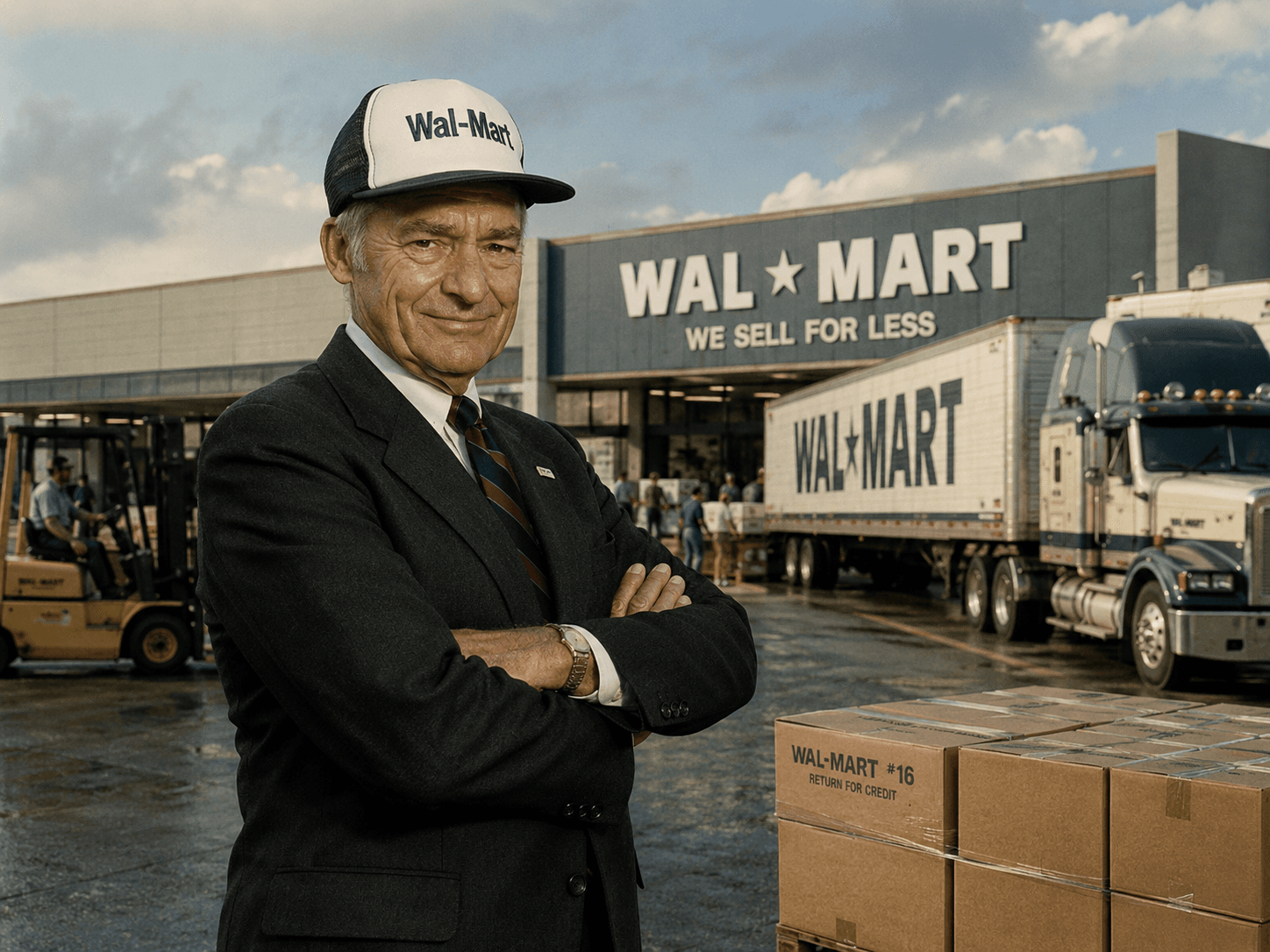
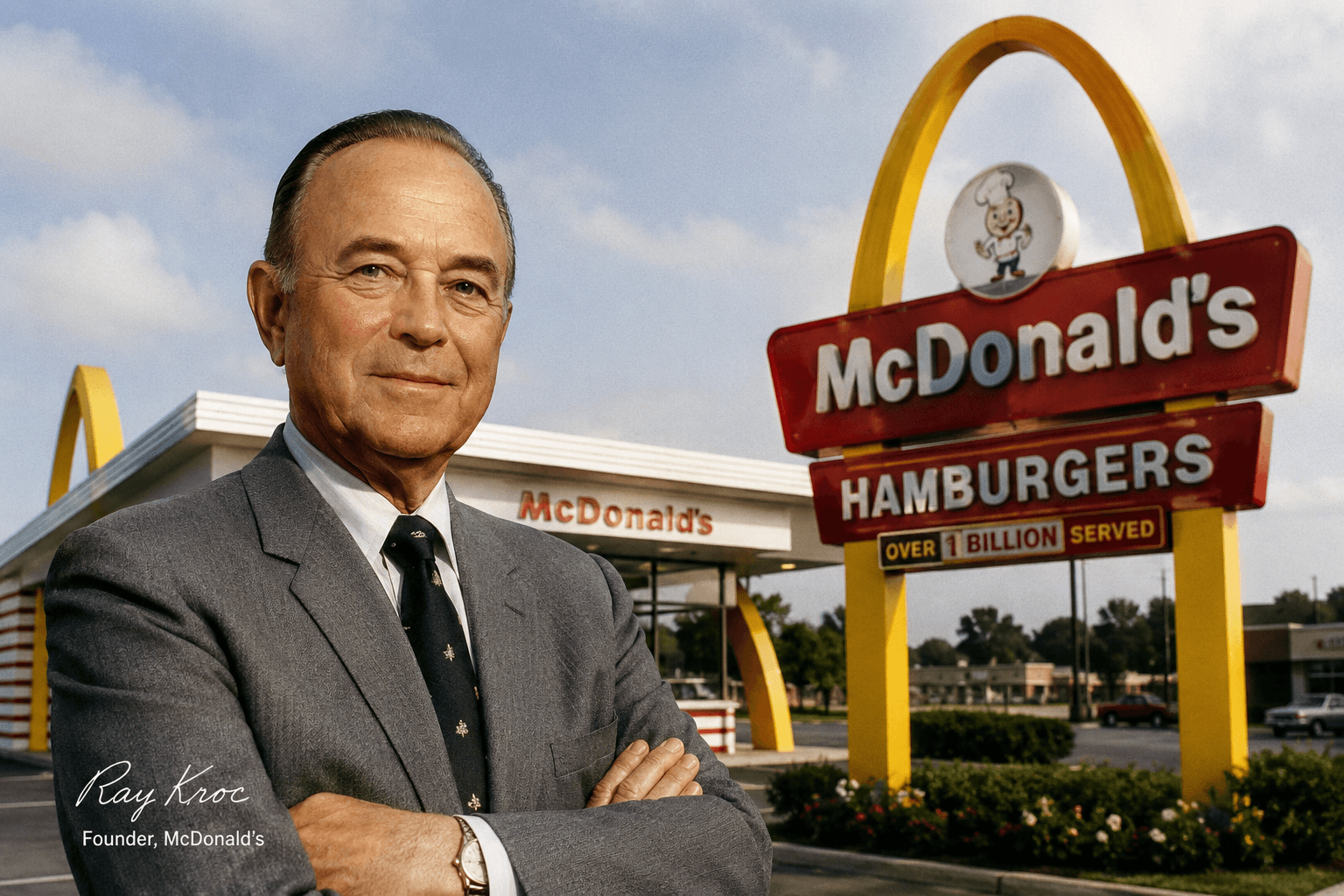
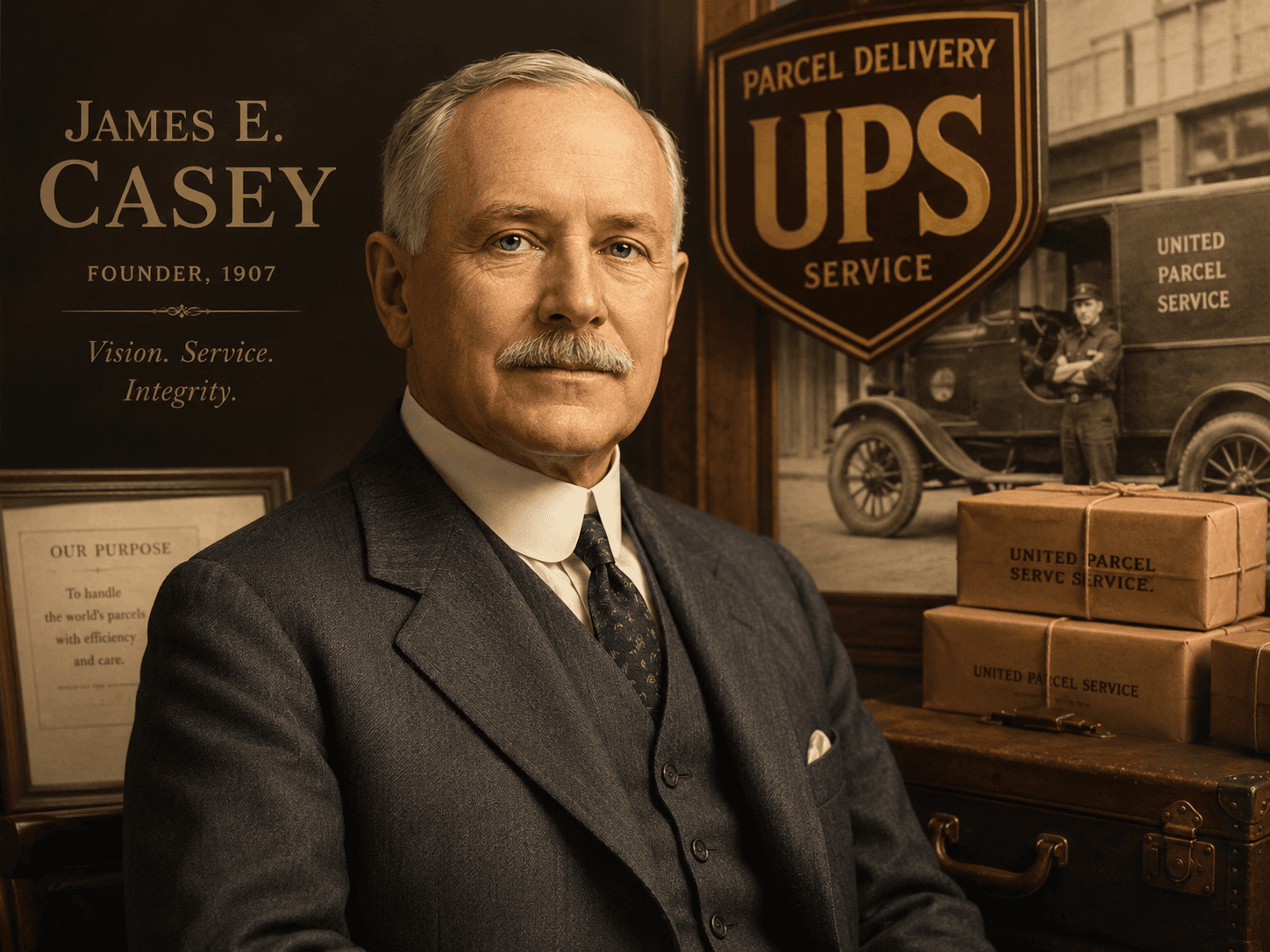
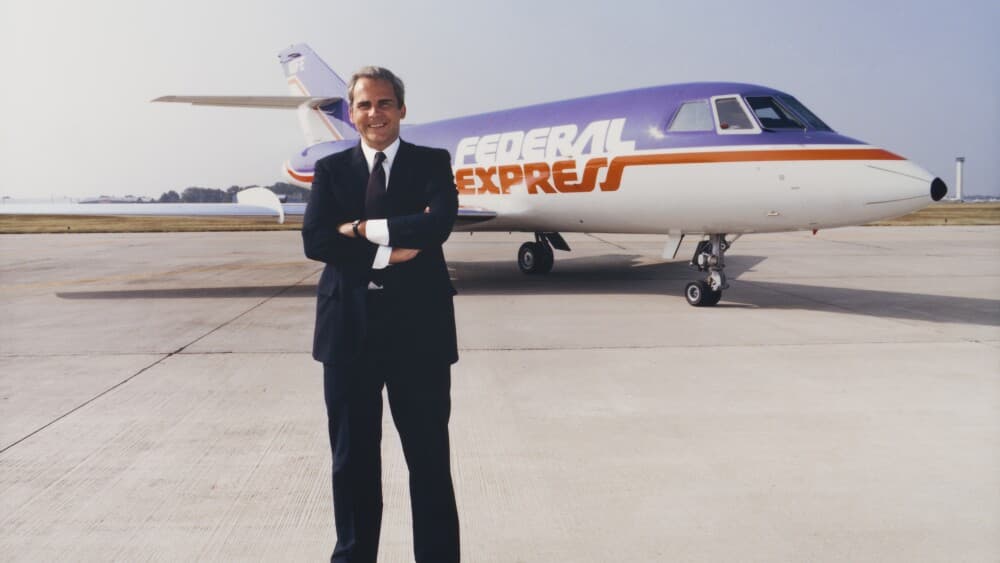
The most enduring businesses in American history — Walmart, UPS, McDonald's, FedEx — are not remembered as creative companies. They are remembered as operational ones. Sam Walton did not invent discount retail. Ray Kroc did not invent the hamburger. James Casey did not invent package delivery. Each of them took an existing model and made it work better, more consistently, at greater scale.
The pattern is not a coincidence. Operations — the discipline of designing, documenting, and improving the processes that run your business — is the source of most durable competitive advantages. A great product can be copied. A great brand can be imitated. A truly excellent operating system, built over years, is extremely hard to replicate because it requires not just design but institutional practice.
The core principle
Operations is the gap between what you intend and what actually happens when you're not watching.
The easiest way to see this gap is to hire a new employee. Give them no instructions beyond the basics, put them in front of customers, and observe. What they do reveals what your business actually looks like without your presence. If it looks roughly right, your operating system is stronger than you might have thought. If it looks wrong, you've found your problem.
Most small business operators are aware that things work differently when they're not there. The question is whether they're willing to treat that as a systems problem rather than a people problem. People problems feel more manageable — you can coach, correct, replace. Systems problems require writing things down, which takes time, and enforcing them, which takes courage.
What the great operators did
Sam Walton treated his stores as laboratories. He kept notebooks of what he observed and what he thought about it. He required managers to share what was working every Saturday morning, in a meeting that took precedence over everything else. The sharing mechanism was as important as the observation: good operations required that insight spread across the organization, not stay in one person's head.
Ray Kroc wrote a 700-page Operations Manual for McDonald's. He hired industrial engineers to study every motion in the restaurant workflow. He understood that the franchise model was only viable if the operations were documented precisely enough that a stranger could execute them at a standard he would recognize.
James Casey at UPS defined the operating standard by example before documenting it in procedure. He insisted on dependability and courtesy, not as values but as measurable outcomes. Packages arrived on time, or they did not. Drivers were courteous, or they were not. The metrics made the values concrete.
The SMB application
The operational gap in most small businesses is documentation. Things work because specific people know how to do them. When those people are sick, on vacation, or gone, things do not work as well.
The fix is not complicated. It is time-consuming. Start by documenting the three processes that happen most often in your business. Not the most important ones in theory — the most frequent in practice. The daily routine of your best employee is your operating model, whether you've written it down or not.
Documentation alone is not enough. You also need a measurement habit. Pick two or three numbers that tell you whether your operations are working: on-time rate, order accuracy, customer return rate, time per transaction. Track them weekly. The number you track is the number that improves.
Finally, operations requires accountability. Not punitive accountability — the kind that makes people afraid to report problems — but transparent accountability, where results are visible and where the organization's job is to help people hit the standard, not to punish them for missing it.
Walton's Saturday morning meetings were accountability structures. So were the UPS methods engineers who studied driver routes. The goal was always the same: find out what was happening, figure out what was causing it, and make the system work better.
The question to ask
Walk through your business with the eyes of a new employee. Which processes would work without your guidance? Which ones would break? The ones that would break are your operational priorities this quarter.
Stories that illustrate this lesson

The Owl Brief
One story. One growth lesson. One practical idea — every Sunday.
No spam. Unsubscribe any time.