Growth lesson
Customer experience: the competitive advantage that compounds
Every touchpoint is either building or eroding the relationship. The operators who understand this build businesses that grow without advertising.
What history teaches us
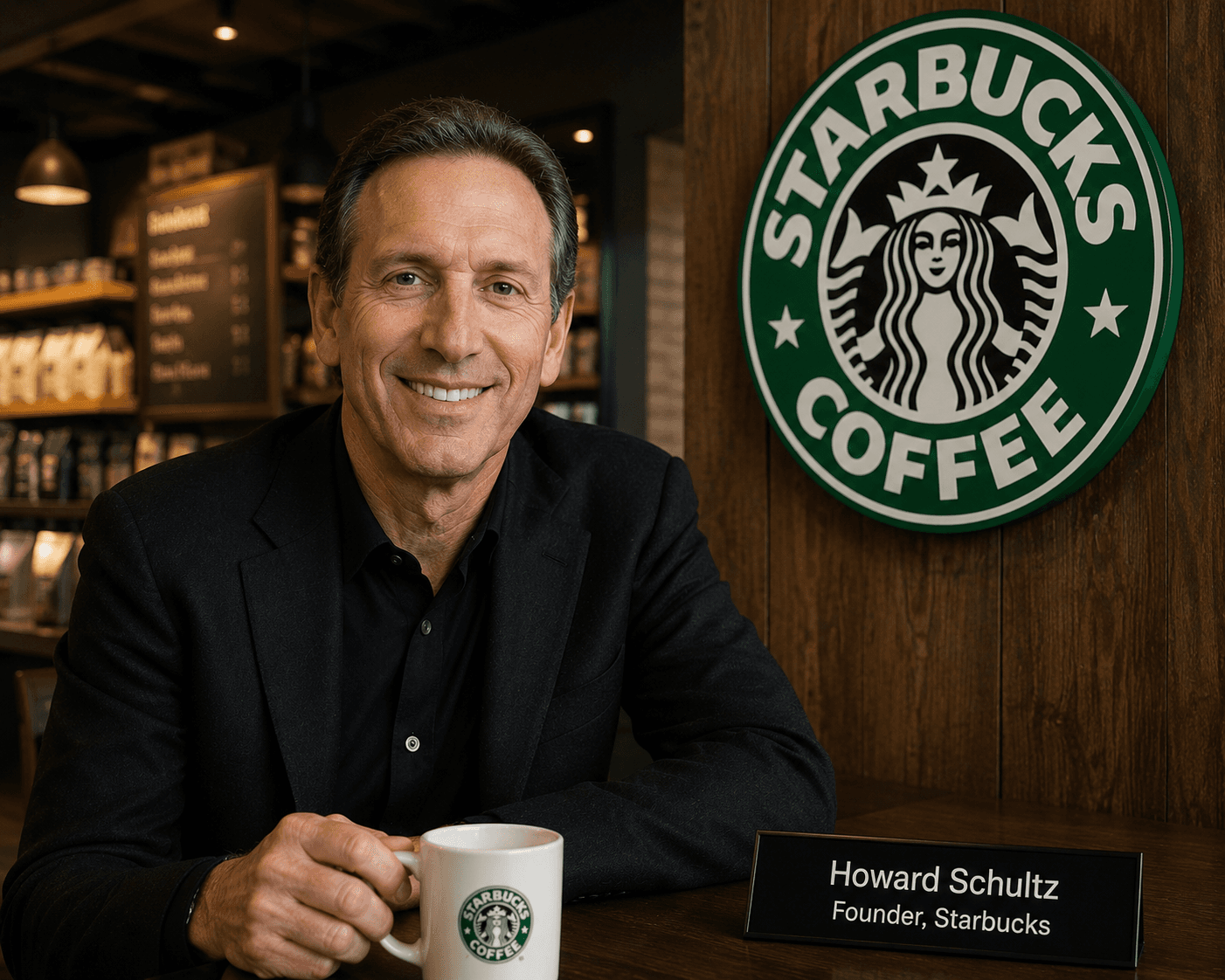
Howard Schultz did not build Starbucks into a $35 billion company because the coffee was uniquely excellent. He built it because he understood that people were buying something that transcended the beverage. They were buying a place in their routine. A moment of comfort. A space between obligations. The coffee was the ticket. The experience was the product.
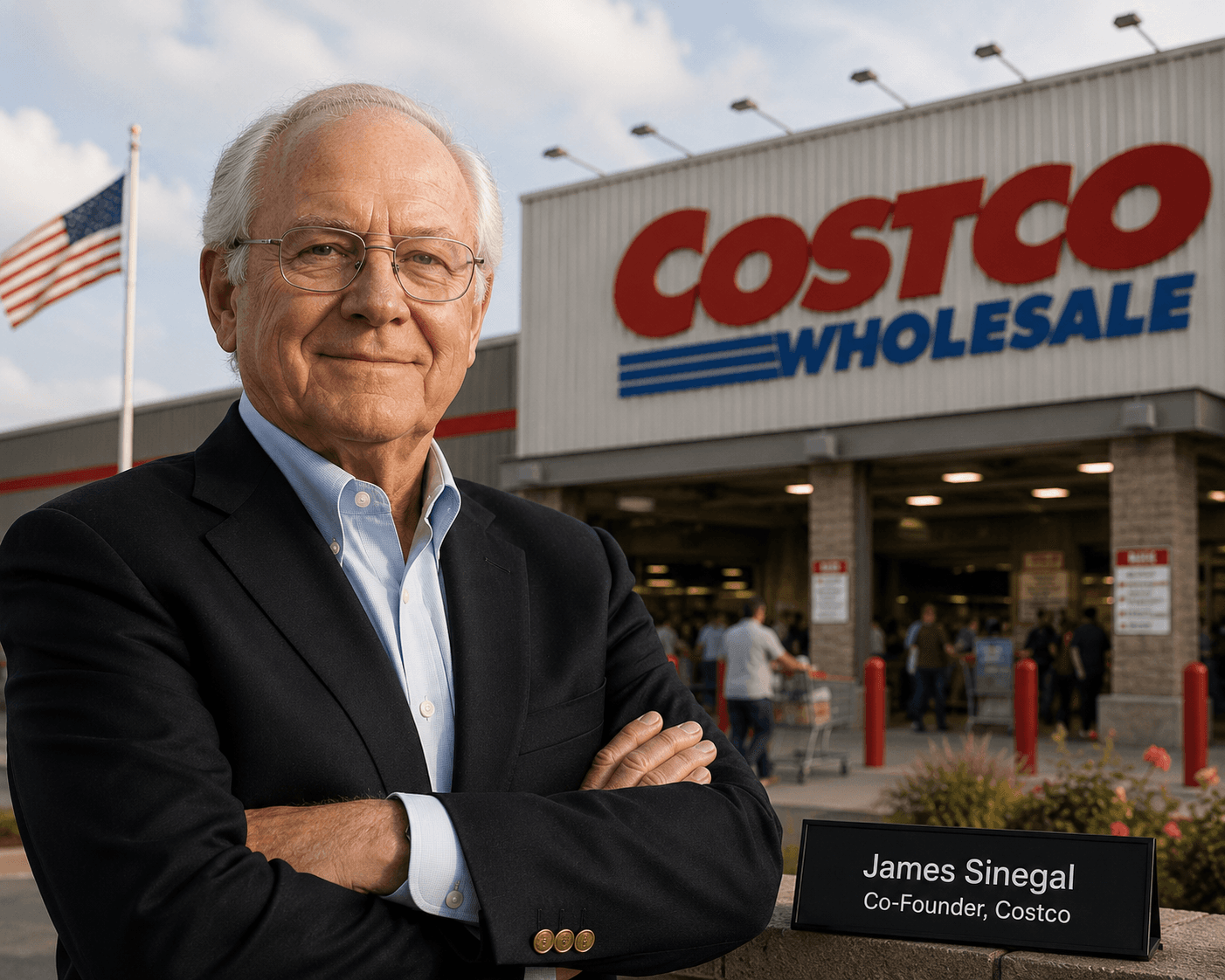
Jim Sinegal at Costco understood the same principle from a different angle. Costco's experience was not warm in the Starbucks sense — warehouse retail has a particular aesthetic. But the experience Costco delivered was trust: the certainty that the price you saw was the best price available and that the quality was consistent. That certainty, delivered reliably over decades, is a customer experience in the deepest sense.
The core principle
Customer experience is not a department or a training program. It is the gap between what you promise and what the customer receives, measured by whether they come back.
The operators who understand this build for return visits, not first impressions. A great first impression wins a sale. A consistently good experience over five visits creates a customer who brings their friends. The math of word-of-mouth referrals is more powerful than any paid acquisition channel at small-business scale.
What the great operators did
Walt Disney designed Disneyland from the customer's sensory experience outward. He walked the park before opening and asked: what do visitors see, hear, and smell at every step? He found that the smell of popcorn from Main Street USA reached guests as they entered — not an accident, but a deliberate system. The park had no dark corners, no obvious service entrances, no break in the story.
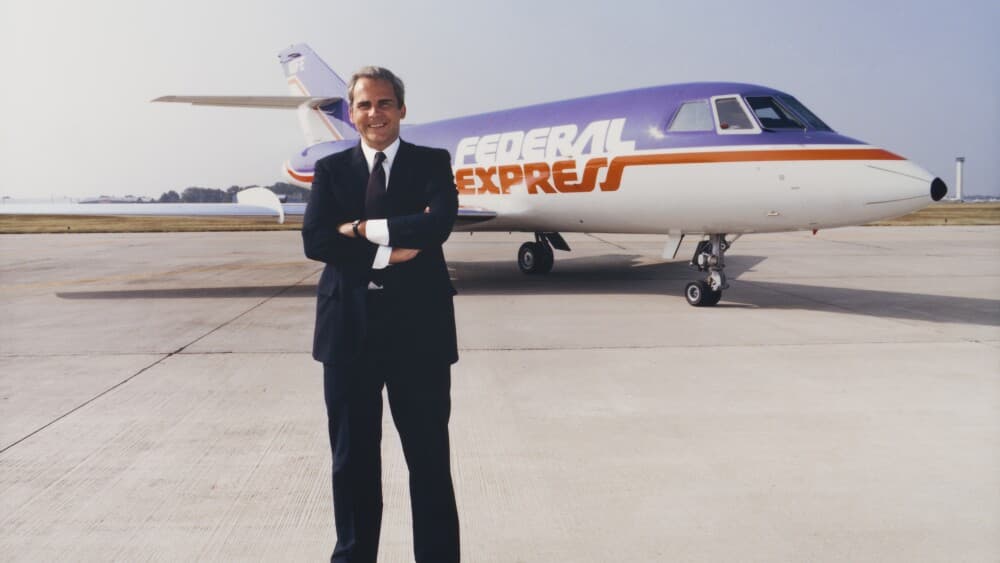
Fred Smith at FedEx understood that the customer experience he was selling was certainty, not speed. The experience was the moment a customer said "it will be there by tomorrow" and felt that they could count on it. Building that feeling — and then delivering on it consistently — required operational discipline that extended all the way to the driver who handed over the package.
Howard Schultz at Starbucks trained baristas to use customers' names. Not to create warmth artificially, but because being called by name is a recognition of individuality — a specific kind of service that signals you are a person, not a transaction. The two-minute coffee interaction was designed to leave customers feeling slightly better than when they walked in.
The SMB application
Most small businesses have high average customer experience moments — the times when everything goes right — and low floor moments, when things go wrong or fall through the cracks. The customers who never come back are usually from the floor, not the ceiling.
The starting point is mapping the journey: the first time someone hears about you, the first contact, the first transaction, the first problem, the first repeat visit. At each stage, ask: what happens? What do we intend to happen? Where is the gap?
Then close the gap on the floor before trying to raise the ceiling. A business that occasionally delivers a 10/10 experience and regularly delivers a 5/10 will not retain customers as well as a business that consistently delivers an 8/10.
The most actionable tool is a simple post-transaction ask: "Was everything what you expected?" Not a formal survey — a human question, asked by someone who can hear the answer. The responses to that question, tracked over time, are the most useful customer experience data you have.
Finally, recognize what you are actually selling. Starbucks is not selling coffee. Costco is not selling bulk goods. FedEx is not selling shipping. Each is selling a specific emotion: comfort, trust, certainty. The question for your business is: what emotion do you deliver, and how consistently do you deliver it?
The question to ask
What do your best customers say when they describe you to a friend? That description is what you're selling. Is it what you intend?
Stories that illustrate this lesson


The Owl Brief
One story. One growth lesson. One practical idea — every Sunday.
No spam. Unsubscribe any time.