Growth lesson
AI and automation: adopt the tool, not the hype
Every major technology transition in American business history created winners who applied the tool to their existing strengths — and losers who chased the technology itself.
What history teaches us
Walmart's satellite network in the 1980s was the most sophisticated private communications technology in the United States. Sam Walton did not build it because he was fascinated by satellites. He built it because he needed inventory data faster than any other mechanism could provide. The technology was in service of a specific operational need.
UPS's ORION routing system took a decade to develop. The company had a hypothesis — that optimal routing could save millions of dollars per year — and built the technology to test it. The technology was expensive and complex. The outcome was the target, not the system.
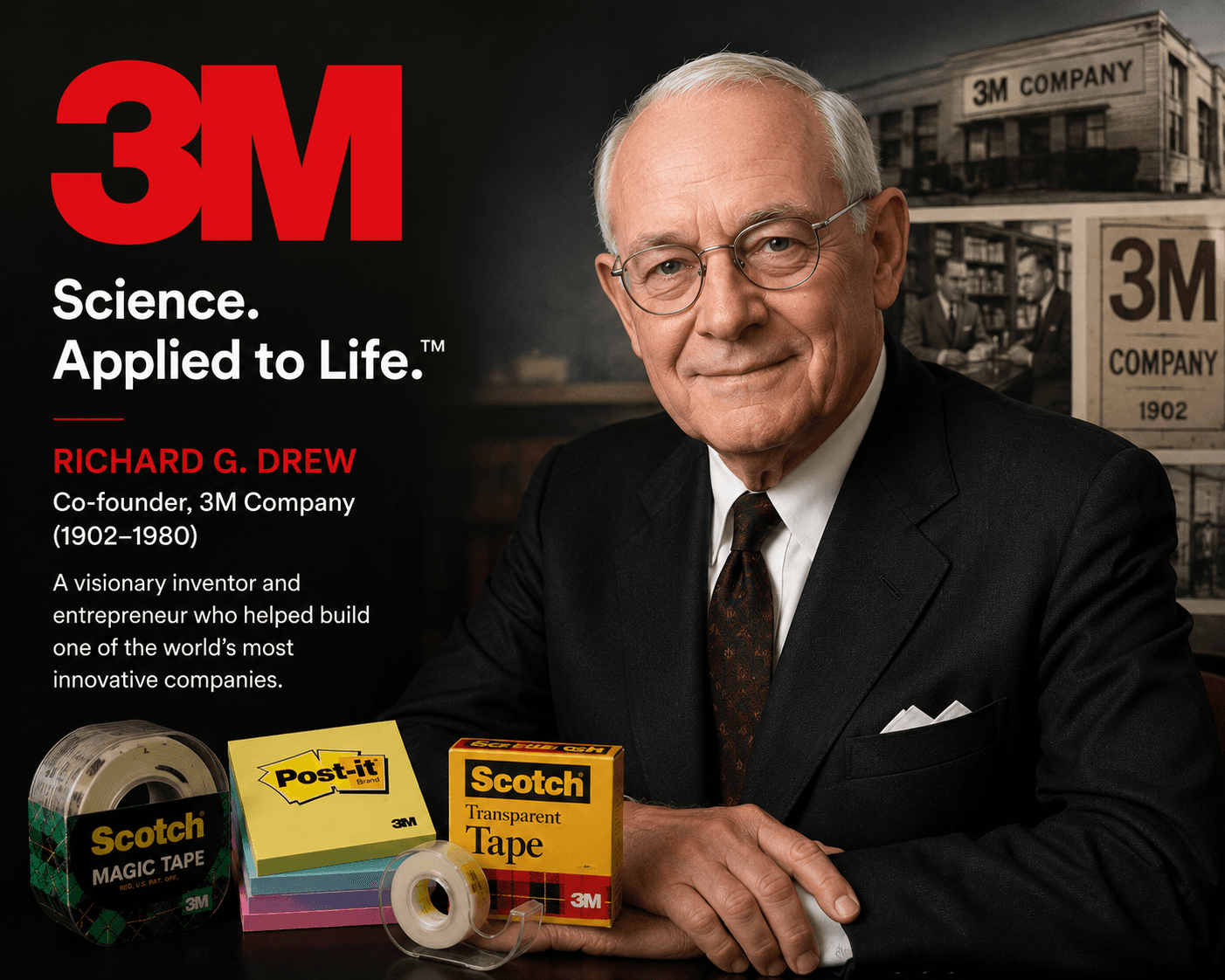
3M's innovation culture produced Post-it Notes from a failed adhesive experiment. The company had built a system that shared failed research across departments, trusting that one person's useless discovery might be another person's breakthrough. The culture preceded the invention by decades.
In each case, the technology worked because it was applied to a problem the company already understood deeply. The companies that struggled with technology adoption were the ones that adopted it because it was available, not because they knew what problem it solved.
The core principle
Automation is valuable when it eliminates the need for human attention on tasks that do not require human judgment. AI is valuable when it reduces the cost of tasks that previously required human expertise or scale.
The practical question for any automation investment is not "is this technology impressive?" but "what specifically will I stop doing manually, and what will I do with that time?"
What smart operators know
The best use cases for automation in small businesses follow a pattern: high frequency, low variation, clear input, clear output. Inventory reordering when stock drops below a threshold. Appointment reminders sent 24 hours before a booking. Invoice generation after a service is marked complete. Email sequences that follow a customer's first purchase.
These tasks do not require judgment. They require consistency. Automation delivers consistency more reliably than memory.
AI is useful when it compresses expert time. Drafting a first version of a customer email, generating options for a pricing proposal, summarizing customer feedback from reviews, analyzing sales patterns to suggest restocking priorities — in each case, the AI produces a draft that a human with judgment refines. The human time required drops by 60-80%. The quality of the output, with human review, often improves.
The failure mode is automation of tasks that require judgment, without adequate human oversight. An email sequence that sends "Great to hear from you!" in response to a customer complaint. An inventory reordering system that replenishes a product that was discontinued. An AI-generated customer response that misreads the customer's tone. The automation amplified the problem rather than solving it.
The SMB application
Three automation priorities for most small businesses, in order of impact:
First: appointment and follow-up communications. Send confirmations, reminders, and follow-up requests automatically. The customer experience improves, the no-show rate drops, and no one on your team has to remember to do it.
Second: inventory triggers. Set a reorder threshold for your highest-volume items. When stock drops below the threshold, either an automatic order fires or a human gets notified. The choice depends on how much you trust the threshold. Start with notification; move to automation once you've calibrated.
Third: post-transaction feedback capture. Send a brief, specific feedback request 48 hours after a transaction. Not a survey — one question, answered in two sentences. "Was everything as you expected?" The responses tell you more than any rating scale.
AI investments for most small businesses in 2025 center on three areas: customer communication drafts, financial analysis and forecasting, and content creation for marketing. In each case, the investment pays off when there is a human with domain expertise reviewing and refining the AI's output — not replacing that expertise with the AI's judgment.
The question to ask
What task do you or your team do manually more than five times per week that has a clear, consistent input and a clear, consistent expected output? That task is your first automation candidate.
Stories that illustrate this lesson



The Owl Brief
One story. One growth lesson. One practical idea — every Sunday.
No spam. Unsubscribe any time.